Building Future Innovators: How to Introduce AI Literacy to Elementary Students
Building Future Innovators: How to Introduce AI Literacy to Elementary Students with practical guidance, examples, and next steps for Parents of children a
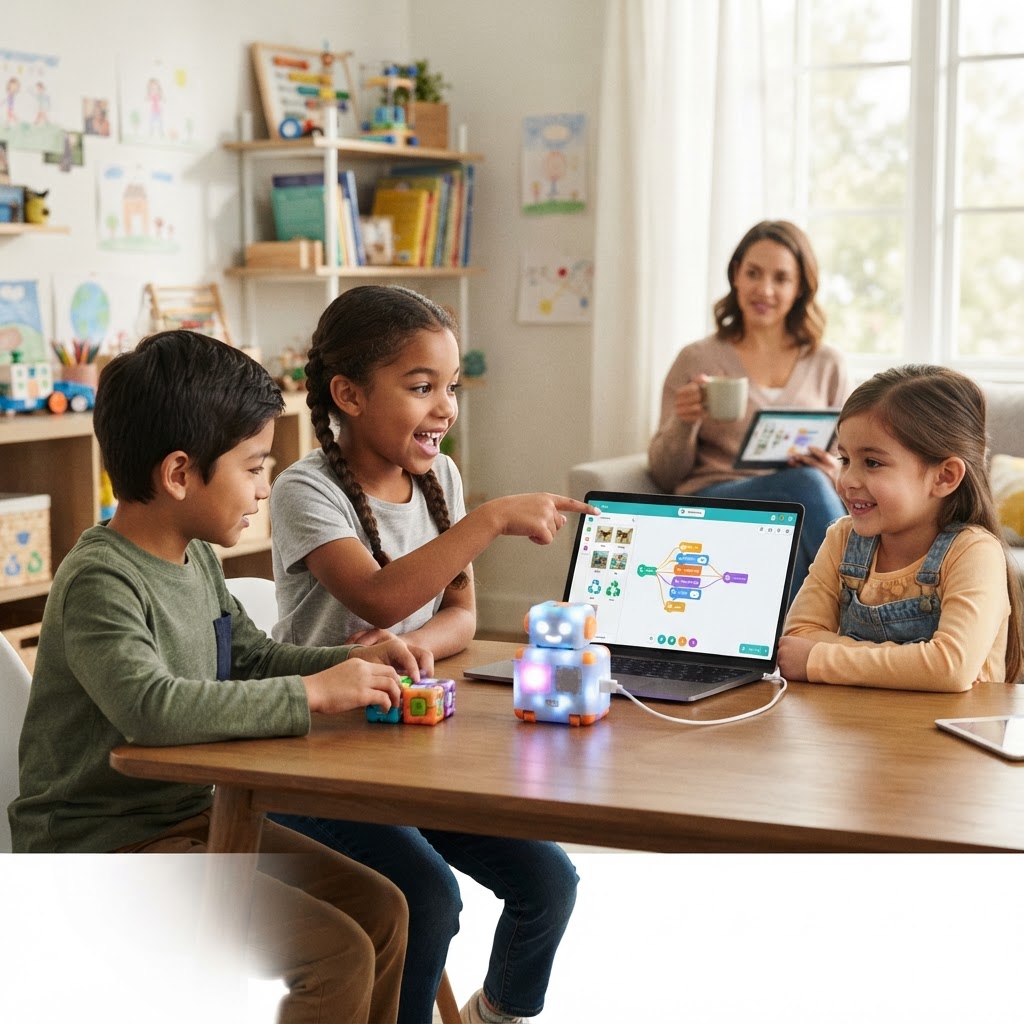
how to introduce AI literacy to elementary students is usually not a one-click decision. The right approach depends on the audience, the workflow, and how much trust the product needs to earn before someone takes action.
What Parents of children aged 3-12 looking for safe, educational screen time need to know
Parents of children aged 3-12 looking for safe, educational screen time are usually comparing options because the existing process is slow, manual, or difficult to scale. A useful page should explain the problem clearly, show where the risk is, and make the next step obvious without over-promising outcomes.
Where GenAI Kids helps
GenAI Kids is positioned around An AI-powered learning app for children featuring personalized, safe, age-appropriate interactive lessons, stories and quizzes.. The strongest content angle is to connect that capability to a practical use case, then show the reader what they can do next.
How to evaluate the right approach
A strong evaluation should look at setup time, day-to-day usability, integration fit, data quality, support requirements, and the cost of doing nothing. The draft should be reviewed for factual claims, screenshots, examples, and customer-specific proof before publishing.
Next steps
Use this draft as a starting point. Add product screenshots, real examples, internal links, and a clear "Download the App" call to action before sending it live.
Next step for GenAI Kids
When you are ready to apply this guidance, visit Download the App and compare the workflow against your current site priorities.
Related reading
Ready to Start Learning AI?
Join thousands of kids on GenAI Kids — free beginner lessons, no card needed.


