How to Teach Kids About Artificial Intelligence at Home
Looking for ways to introduce your kids to artificial intelligence? Discover fun home activities and resources to make learning about AI exciting and accessible!
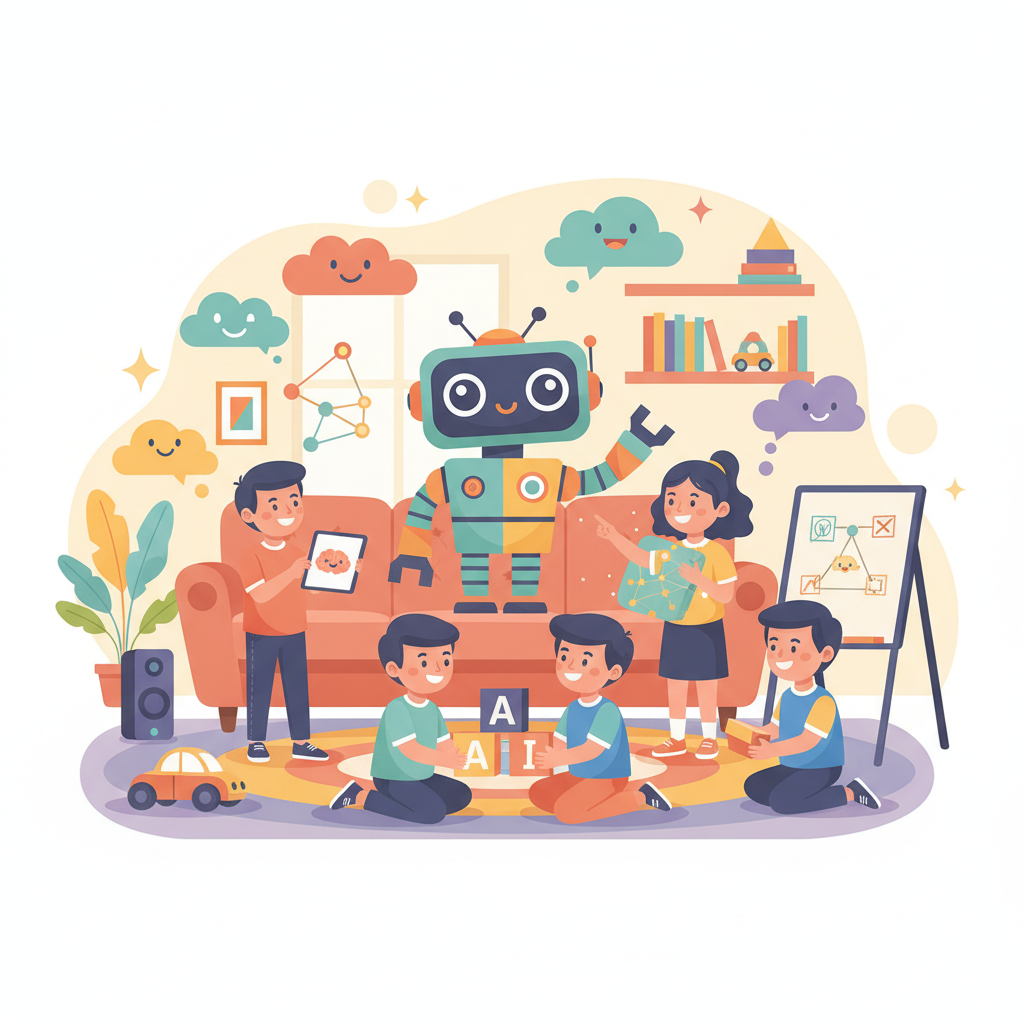
Why Teaching Kids About AI Starts at Home
Artificial intelligence is no longer a concept reserved for tech labs and university lecture halls. It's woven into the everyday fabric of our children's lives — from the recommendations that pop up on their favourite streaming services to the voice assistants they casually chat with in the kitchen. Yet most children have no idea how any of it works.
That gap between using AI and understanding AI is where parents and educators can make a real difference. You don't need a computer science degree to start this conversation. What you need is curiosity, a few good resources, and the confidence to explore alongside your child. Teaching AI at home isn't just about future career readiness — it's about raising thoughtful, informed digital citizens who can navigate the world ahead of them.
Understanding What Children Already Know (and Don't Know)
Before diving into lessons or activities, it helps to start with a simple conversation. Ask your child what they think AI actually is. You might be surprised. Many children either believe AI is a kind of magic, or they picture the dramatic robots they've seen in films. Very few understand that AI is fundamentally about patterns, data, and decision-making.
Tailoring the Conversation to Their Age
- Ages 6–8: Keep it concrete and playful. AI is like teaching a computer to recognise your dog by showing it thousands of pictures of dogs. Simple cause-and-effect thinking works well here.
- Ages 9–12: Children at this stage can begin exploring why AI makes decisions, and start questioning whether those decisions are always fair or correct.
- Ages 13–16: Teenagers are ready for more nuanced discussions around ethics, bias, privacy, and the societal implications of AI — topics they'll encounter in academic settings and in life.
Meeting children where they are, rather than overwhelming them with jargon, builds genuine curiosity rather than anxiety.
Practical Ways to Introduce AI Concepts at Home
The good news is that you don't need special equipment or technical expertise to make AI learning meaningful and engaging. Many of the best starting points are already in your home.
Use Everyday Technology as a Teaching Tool
Next time your child asks Alexa a question or gets a "You might also like…" suggestion on YouTube, pause and ask: "How do you think the computer knew to suggest that?" These small moments of curiosity turn passive consumption into active thinking.
Similarly, when a spam filter catches a suspicious email or your phone unlocks with your face, these are real-world AI examples you can point to and discuss together.
Try Simple Unplugged Activities
You don't always need a screen. "Unplugged" activities — where children act out how an algorithm works — are surprisingly effective, especially for younger learners.
- Sorting games: Ask your child to sort a pile of objects by different rules (colour, size, shape). Explain that this is similar to how a machine learning model categorises data.
- Decision trees: Draw a simple flowchart together to solve a problem, like deciding what to wear based on the weather. This models how AI systems use branching logic.
- Training a "human robot": Give your child a very specific set of instructions to complete a task. Then show them what happens when one instruction is wrong or missing — helping them understand why precise data matters.
Explore Structured Learning Platforms
Once your child has a foundational interest, structured resources can take their learning much further. GenAI Kids is designed specifically for this purpose — offering age-appropriate lessons, interactive activities, and guided projects that introduce children aged 6–16 to AI concepts in a safe, engaging environment. Rather than leaving learning to chance, a platform like this provides a clear progression that grows with your child.
Building Critical Thinking Alongside AI Literacy
One of the most important gifts you can give your child isn't just an understanding of how AI works — it's the ability to question it. AI systems are built by humans, and they carry human assumptions, blind spots, and biases.
Ask the Right Questions Together
Encourage your child to develop healthy scepticism by exploring questions like:
- Who built this AI, and what were they trying to achieve?
- What information was it trained on — and whose voices might be missing?
- Could this AI make a mistake? What would happen if it did?
These conversations don't need to be heavy or academic. They can be prompted naturally by news stories, films, or even games. The goal is to raise children who see AI as a powerful tool that — like all tools — requires human judgement and oversight.
Model Thoughtful Engagement
Children learn by watching. When you interact critically with technology — questioning a news recommendation, checking a source, or expressing curiosity about how something works — you're modelling the kind of thinking that will serve them throughout their lives.
Key Takeaways
- Start with what they already know: Use everyday tech moments to spark natural conversations about AI.
- Match the depth to their age: Younger children need simple, playful explanations; teenagers can handle ethical complexity.
- Mix screen and non-screen learning: Unplugged activities make abstract concepts tangible and memorable.
- Ask questions more than you give answers: Critical thinking about AI is just as important as technical understanding.
- Use structured resources: Platforms like GenAI Kids provide a safe, progressive learning environment designed specifically for children.
- Model curiosity yourself: Your own engagement with technology sets the tone for how your child approaches it.
Start the Conversation Today
Teaching children about AI at home doesn't require a grand curriculum plan or specialist knowledge. It starts with a single question asked at the right moment — and a willingness to explore the answers together.
The children who grow up understanding AI won't just be better equipped for future careers; they'll be more confident, more critical, and more capable of shaping the technology that shapes their world. That's a powerful reason to begin.
If you're looking for a structured, trusted starting point, GenAI Kids offers a wealth of resources built specifically to guide children and parents through this journey — one engaging lesson at a time. Explore what's available and take that first step together.
Ready to Start Learning AI?
Join thousands of kids on GenAI Kids — free beginner lessons, no card needed.


