The Best AI Tools for Kids to Use Safely at Home
Explore safe AI tools tailored for kids, designed to boost creativity and learning while providing parents with peace of mind.
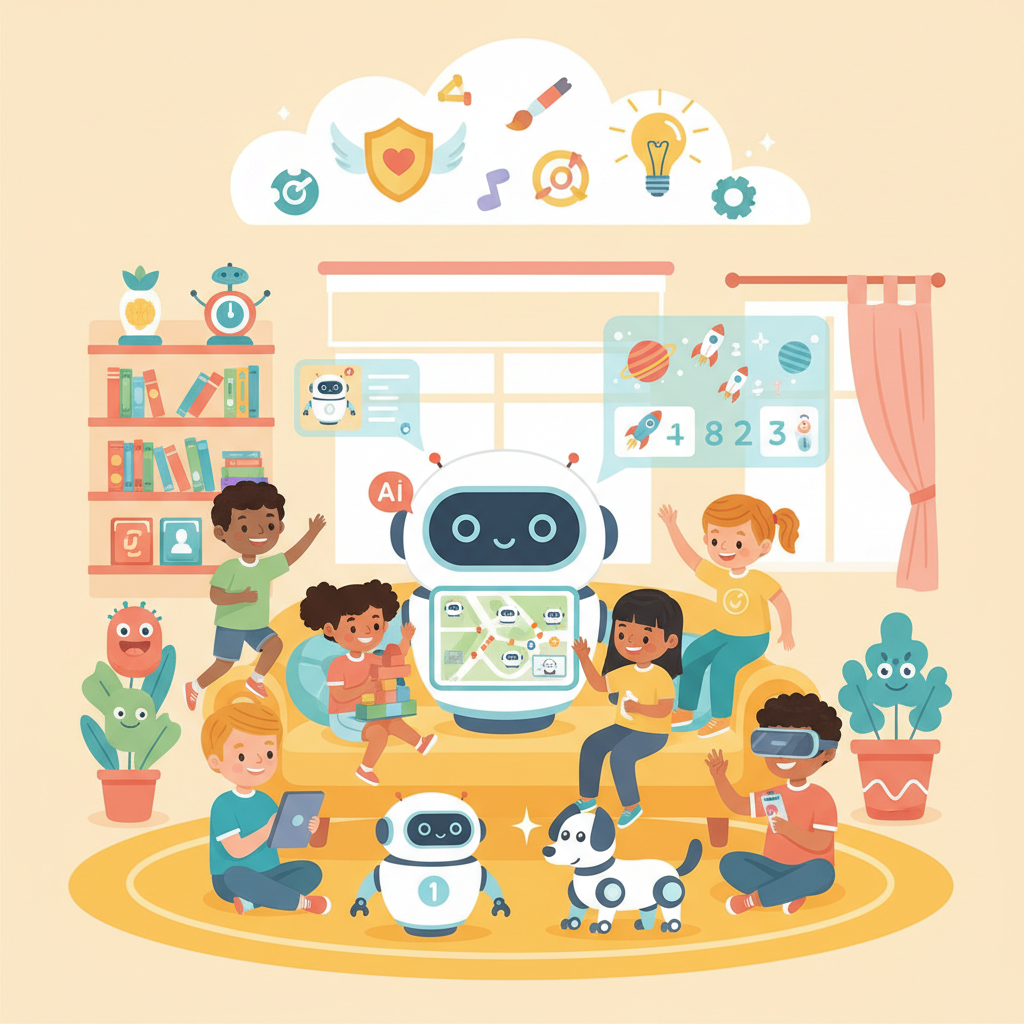
Why AI Tools at Home Are Worth Your Attention
Artificial intelligence is no longer something children only encounter in science fiction films. It's showing up in homework helpers, creative writing apps, reading tutors, and even the games your child plays after school. As a parent or educator, that can feel both exciting and a little overwhelming.
The good news? With the right tools and a few sensible guardrails, AI can be one of the most powerful learning companions your child has ever had. This guide walks you through the best AI tools for kids to use safely at home, what to look for when choosing them, and how to stay involved without hovering over every click.
What Makes an AI Tool Safe for Children?
Before diving into specific recommendations, it helps to understand what "safe" actually means in this context. Not all AI tools are built with children in mind, and a tool designed for adults can expose kids to inappropriate content, collect personal data, or simply overwhelm them with complexity.
Look for These Safety Features
- Age-appropriate content filters — The tool should block or avoid generating harmful, violent, or adult content automatically.
- No personal data collection — Trusted children's tools will be transparent about data use and comply with laws like COPPA (in the US) or GDPR-K (in the UK and Europe).
- Parental controls or oversight dashboards — Can you see what your child is doing? Can you set usage limits?
- Clear, child-friendly language — A good kids' AI tool should communicate at the right reading and comprehension level for your child's age.
- Educational purpose — The best tools are designed to support learning, creativity, or problem-solving rather than passive consumption.
When in doubt, spend 15 minutes exploring a tool yourself before handing it to your child. What you experience as an adult is often a good preview of what they will encounter.
Top AI Tools Children Can Use Safely at Home
1. Khanmigo by Khan Academy
Khanmigo is an AI-powered tutoring assistant built directly into Khan Academy's trusted learning platform. It guides children through maths problems, supports essay writing, and even engages them in Socratic-style conversations — asking questions rather than just handing over answers. This approach actively builds critical thinking rather than replacing it.
It's suitable for children aged roughly 8 and up, and because it sits within Khan Academy's existing ecosystem, parents already familiar with the platform will feel right at home.
2. Scratch with AI Extensions
Scratch, developed by MIT, is the world's most popular coding platform for children. Recent AI extensions allow kids to build their own machine learning projects — training image recognisers, building chatbots, and experimenting with how AI actually learns. It's hands-on, visual, and genuinely fun.
For children who want to understand AI rather than just use it, this is one of the most valuable tools available. Platforms like GenAI Kids complement Scratch beautifully by providing the conceptual background children need before they start building.
3. Book Creator with AI Features
Book Creator has introduced AI writing and illustration tools that let children co-create stories with AI assistance. Children write a prompt, the AI generates ideas or images, and the child edits, refines, and publishes their book. It keeps the child firmly in the creative driving seat while AI acts as a collaborator.
This is particularly powerful for reluctant writers and children who struggle with the blank-page problem.
4. GenAI Kids
Designed specifically for children aged 6–16, GenAI Kids is a dedicated platform for learning how artificial intelligence works in an age-appropriate, structured way. Rather than using AI as a black box, children learn the principles behind it — from how algorithms make decisions to the ethics of AI in everyday life.
It's an excellent complement to any of the tools above, helping children develop the critical literacy they need to use AI responsibly and confidently throughout their lives.
How to Introduce AI Tools Positively at Home
The way you introduce a new tool often determines whether your child engages with it meaningfully or just plays around on the surface. Here are a few practical approaches.
Start With a Conversation, Not a Screen
Before opening any app, talk to your child about what AI is and isn't. Explain that AI is a tool made by people, that it can make mistakes, and that their own thinking always matters more. Even a five-minute chat builds a foundation of healthy scepticism.
Use Tools Together First
Spend a session exploring the tool alongside your child. Ask questions, make mistakes together, and model how to evaluate AI-generated outputs. This co-exploration normalises critical thinking and signals that you're interested in what they're learning.
Set Time and Purpose Boundaries
AI tools can be genuinely engaging — sometimes a little too engaging. Agree in advance on how long your child will use a tool and what they're trying to accomplish. "Thirty minutes to research your history project" is far more productive than open-ended screen time.
Talk About What They Discover
Make AI a dinner-table topic. Ask what the tool helped them with, whether it ever got something wrong, and what they think about how it works. These conversations build digital literacy organically.
Key Takeaways
- Safety features matter — always check for content filters, data privacy compliance, and parental oversight before letting your child use any AI tool.
- The best tools keep children active — they should be thinking, creating, and questioning, not just passively receiving AI-generated content.
- Age matters — a tool excellent for a 14-year-old may be confusing or inappropriate for a 7-year-old. Match the tool to your child's stage.
- Your involvement multiplies the benefit — parental co-engagement consistently leads to better learning outcomes with technology.
- Understanding AI is as important as using it — resources like GenAI Kids help children develop the conceptual framework they need to navigate an AI-powered world confidently.
The Bottom Line: Curious Kids and Confident Parents
AI is not going away, and children who learn to use it thoughtfully will have a genuine advantage throughout their education and careers. The tools above are some of the best starting points available today — each one designed to put your child's curiosity and creativity at the centre of the experience.
Your role isn't to become an AI expert overnight. It's simply to stay curious alongside your child, ask good questions, and choose tools that respect both their safety and their intelligence.
Ready to take the next step? Explore GenAI Kids to find structured, child-friendly lessons that give your son or daughter the AI literacy foundations they'll use for life.
Ready to Start Learning AI?
Join thousands of kids on GenAI Kids — free beginner lessons, no card needed.


