Top 5 AI Projects Kids Can Build This School Holiday
Get your kids excited this holiday with these 5 easy AI projects! They’re perfect for sparking creativity and learning tech skills in a fun way.
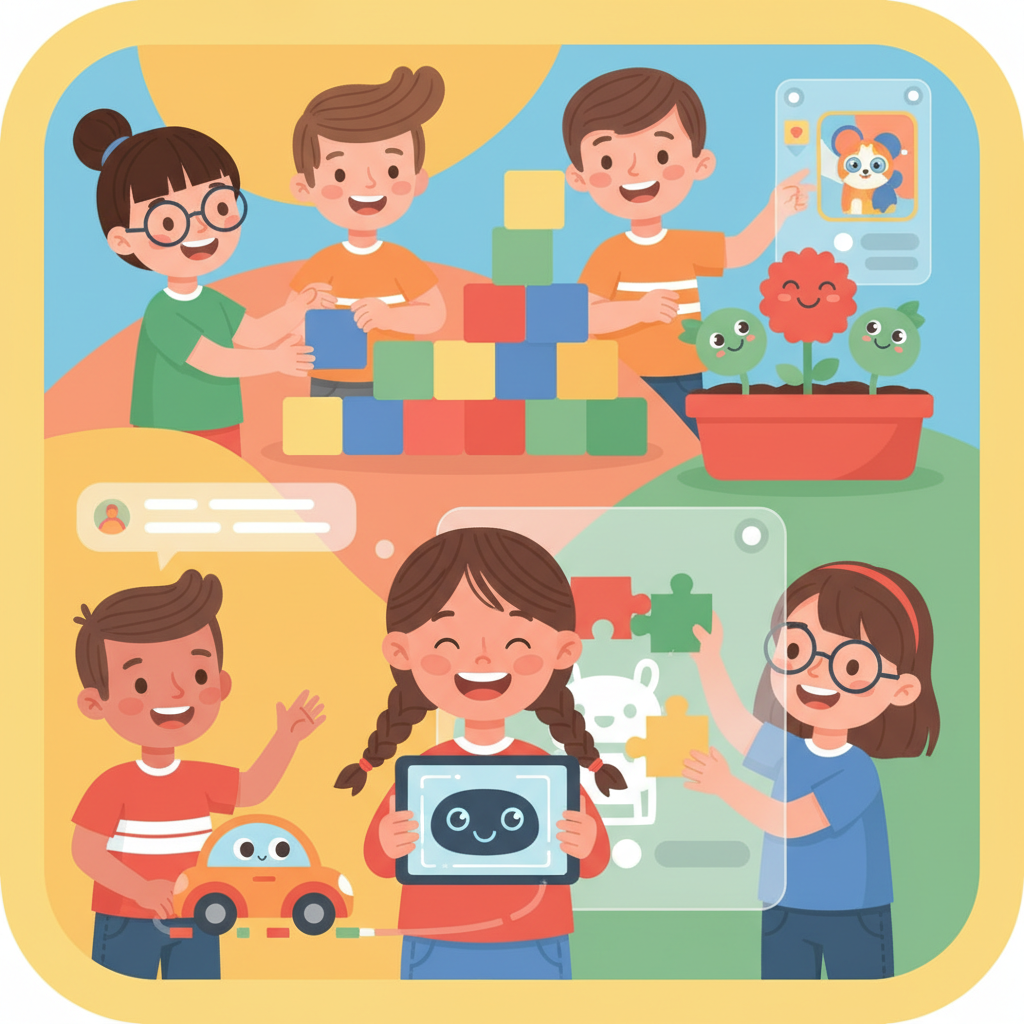
Why School Holidays Are the Perfect Time for AI Learning
School holidays bring a welcome change of pace — but they can also leave parents and educators wondering how to keep curious minds engaged beyond screens and social media. Here's some good news: those screens can become powerful learning tools when children use them to build rather than just browse.
Artificial intelligence is no longer a topic reserved for university lecture halls. Today's kids are growing up in a world shaped by AI — from the recommendations on their favourite streaming platforms to the voice assistants they chat with at home. Giving children hands-on experience with AI projects doesn't just prepare them for future careers; it builds critical thinking, creativity, and problem-solving skills they'll use across every area of life.
The five projects below are designed to suit a range of ages and experience levels, and each one can be completed over a few days using free or low-cost tools. Whether your child is seven or seventeen, there's something here to spark their imagination.
Project 1: Train Your Own Image Recogniser
Best for: Ages 8–14 | Time: 2–3 hours
What it involves
Using Google's free Teachable Machine tool, children can train a simple AI model to recognise images — like telling the difference between a cat and a dog, or identifying different hand gestures.
Why kids love it
The results are immediate and genuinely surprising. Kids take photos using their webcam, label them, and within minutes they have a model that thinks for itself. It's the "aha!" moment that turns abstract AI concepts into something real and tangible.
What they'll learn
- How machine learning works through pattern recognition
- The importance of good-quality training data
- Basic concepts of classification and prediction
Project 2: Build a Chatbot With a Personality
Best for: Ages 10–16 | Time: 3–5 hours
What it involves
Platforms like Scratch combined with simple AI extensions — or beginner-friendly tools like Botpress — allow children to design and programme their own chatbot. Encourage them to give it a unique persona: a space explorer, a friendly librarian, or even a fictional wizard.
Why kids love it
Children who enjoy storytelling and creative writing are especially drawn to this project. They get to make decisions about their chatbot's "voice," its responses, and even its sense of humour.
What they'll learn
- How conversational AI processes and responds to input
- Basic logic, decision trees, and conditional thinking
- The relationship between language and technology
Parent tip: This is a brilliant opportunity to discuss with your child why some AI chatbots can seem biased or make mistakes — a valuable real-world conversation about responsible AI use.
Project 3: Create an AI-Generated Storybook
Best for: Ages 6–12 | Time: 2–4 hours
What it involves
Even younger children can engage meaningfully with AI by using text-to-image tools (such as Adobe Firefly for its child-appropriate filters) alongside simple writing prompts to co-create an illustrated storybook. A parent or educator can guide the process, with the child directing the creative decisions.
Why kids love it
Every child loves seeing their ideas come to life visually. This project blends literacy, imagination, and technology in a way that feels more like play than learning.
What they'll learn
- How to write clear, descriptive prompts (a skill with enormous future value)
- The concept of AI as a creative collaborator, not a replacement for human ideas
- Basic understanding of how generative AI interprets language
Resources like GenAI Kids offer structured, age-appropriate lessons that can complement this kind of creative project perfectly — giving children the context they need to understand how the tools they're using actually work.
Project 4: Design a Smart Quiz Game
Best for: Ages 11–16 | Time: 4–6 hours
What it involves
Using platforms like MIT App Inventor or entry-level Python tutorials, older children can build a quiz game that adapts its questions based on how well the player is doing — a simplified version of the adaptive learning systems used in real educational software.
Why kids love it
There's an extra layer of satisfaction in building something others can actually play. Sharing the finished game with family and friends gives children an authentic audience for their work.
What they'll learn
- Introduction to adaptive algorithms and logic-based decision making
- Basic coding structure and functions
- How AI-powered apps are designed to improve user experience
Project 5: Explore AI Ethics With a "Should a Robot Decide?" Debate
Best for: Ages 9–16 | Time: 1–2 hours
What it involves
Not every AI project needs a screen. This discussion-based activity asks children to research and debate real-world AI dilemmas — such as whether AI should be used to mark school tests, assist doctors in diagnosing illness, or decide who gets a job interview.
Why it matters
Understanding AI ethics is just as important as understanding AI technology. Children who can think critically about how and when AI should be used will be far better equipped for a future where these questions matter enormously.
Suggested discussion questions:
- Is it fair if an AI makes a mistake that affects someone's life?
- Who is responsible when AI gets things wrong?
- Can a machine ever be truly unbiased?
Platforms like GenAI Kids include dedicated modules on AI ethics specifically written for young learners — helping children move from opinion to informed, evidence-based thinking.
Practical Tips for Making Holiday AI Projects a Success
- Start small. Even 30 minutes of focused exploration is valuable. You don't need to complete a full project in one sitting.
- Celebrate the process, not just the outcome. A model that doesn't work perfectly is still a brilliant learning opportunity.
- Learn alongside your child. You don't need to be a tech expert. Many parents find these projects teach them something new too.
- Keep it social. Invite a friend or sibling to collaborate. AI projects often become more creative with more voices involved.
- Document the journey. Encourage children to keep a simple learning journal — noting what they tried, what surprised them, and what they'd do differently next time.
Key Takeaways
- AI projects during school holidays build genuine future-ready skills including critical thinking, creativity, and coding literacy
- Children as young as six can engage meaningfully with AI through guided, age-appropriate activities
- The best AI projects balance technical learning with creative and ethical thinking
- Free and low-cost tools make getting started accessible for all families and classrooms
- You don't need to be a technology expert to support your child's AI learning journey
Ready to Get Started?
The school holidays won't last forever — but the curiosity and confidence your child builds through these projects absolutely will. Whether you're a parent looking for meaningful holiday activities or an educator planning ahead for enrichment programmes, now is the ideal time to introduce hands-on AI learning.
Visit GenAI Kids to explore our full library of structured courses, creative projects, and educator resources designed to make AI education engaging, safe, and genuinely fun for children aged 6–16. Your child's AI adventure starts here.
Ready to Start Learning AI?
Join thousands of kids on GenAI Kids — free beginner lessons, no card needed.


